Visual Communication Design
Bachelor of Science, Accelerated Master's
About this program
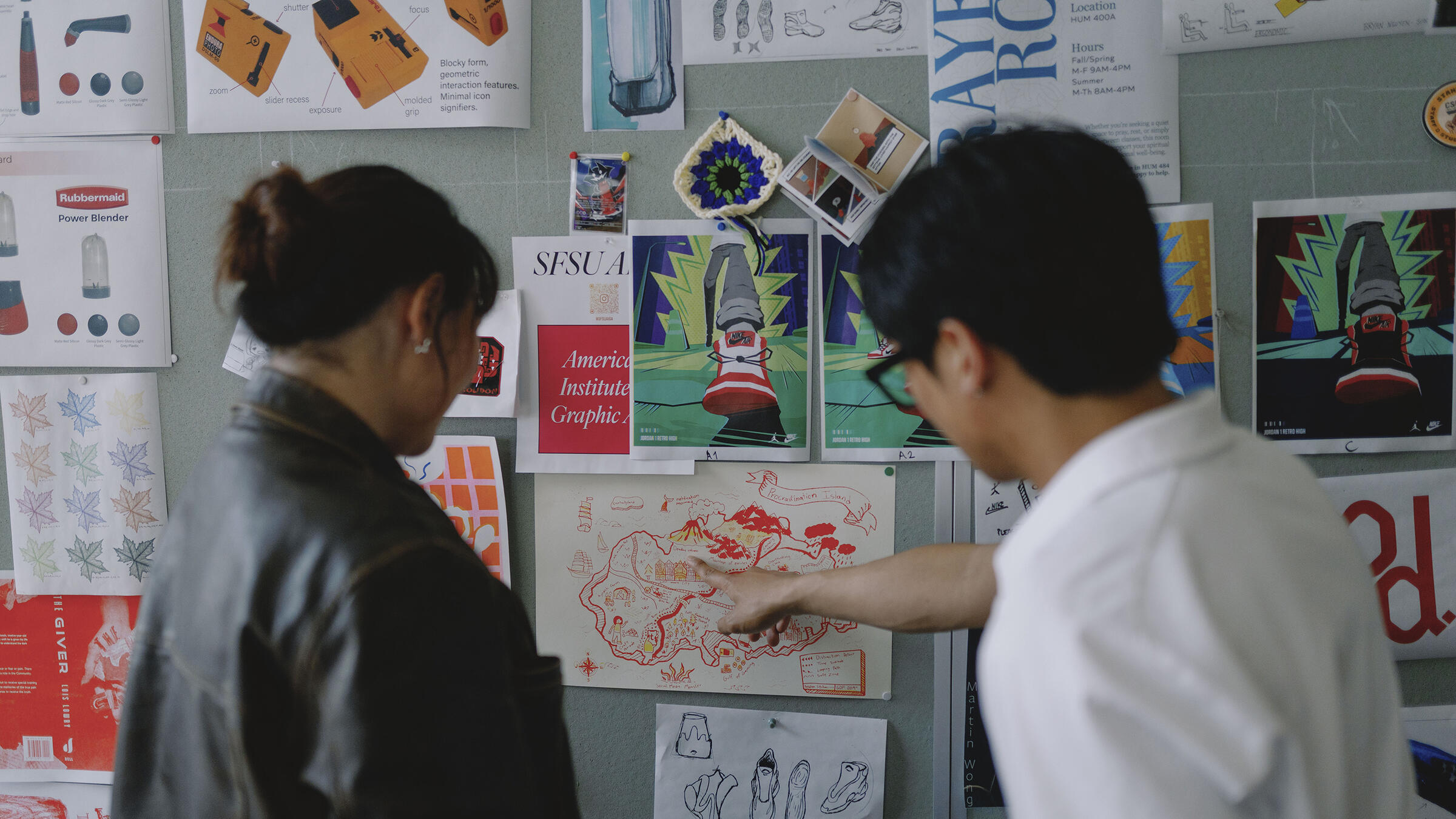
The Bachelor of Science in Visual Communication Design teaches you how to create visual content that communicates ideas clearly and effectively. You’ll learn about typography, digital imaging, branding and user experience while working on real design problems. This program prepares you for careers in graphic design, web design, and related creative industries. You’ll build a portfolio and gain skills in visual storytelling, design thinking and digital tools.
Program Curriculum and Requirements
Program Scope
The 58-unit Bachelor of Science in Visual Communication Design encompasses and integrates graphic design and digital media topics and offers additional study addressing advanced concepts and a changing technological landscape with new opportunities for education and profession. Students are prepared to collaborate with other design disciplines in technology, user experience and creative problem solving.
Program Learning Outcomes
Upon graduation students will be able to:
- Demonstrate proficiency in skills pertinent to design practice and its applications, including but not limited to: typography, composition, color, selection of media, sequence, motion, material exploration, creative coding, systems thinking, storytelling, experiential design, information architecture.
- Use software and technology intended for design and its diverse applications.
Upon graduation students will be able to:
Apply a structured design process to various situations of different scope and complexity, incorporating elements of design thinking and user-centered design. Design process stages might include: research, ideation, prototyping, testing and refinement, finalizing, implementation and evaluation.
Upon graduation students will be able to:
- Recognize how design theories, principles, and practices have changed over time in response to shifting contexts.
- Critically identify how design responds to, reflects and/or interacts with its broader contexts, including but not limited to: community, cultural, accessible, socioeconomic, technological, environmental, social, political.
- Use their understanding of context to inform their own practice of responsible design.
Upon graduation students will be able to:
- Analyze the design landscape and think critically about the users and stakeholders, feasibility, functionality, aesthetics, and broader social impact of the design.
- Identify appropriate research and testing methods for the context, user needs, and outcome.
- Apply findings throughout the design process.
Upon graduation students will be able to:
- Demonstrate fluency in visual language and design vocabulary.
- Demonstrate familiarity with critical theory and principles of perception, semiotics, rhetoric, and cultural context across relevant and evolving media.
- Select and utilize materials and approaches based on their relevance to the context of use, user needs, and their environmental and cultural impact.
Upon graduation students will be able to:
Document and present work according to professional expectations employing verbal, visual, and written means, including but not limited to: process books, creative briefs, technical documentation, critiques, summary documents, and portfolio.
Upon graduation students will be able to:
Collaborate effectively with others both within and outside the field, including but not limited to: community organizations and industry partners.
Upon graduation students will be able to:
Identify fundamental aspects of environmentally sustainable design practice, including but not limited to: sustainable materials and manufacturing processes, product life cycle, environmental impact.
SFSU Accelerated Bachelor's + Master's
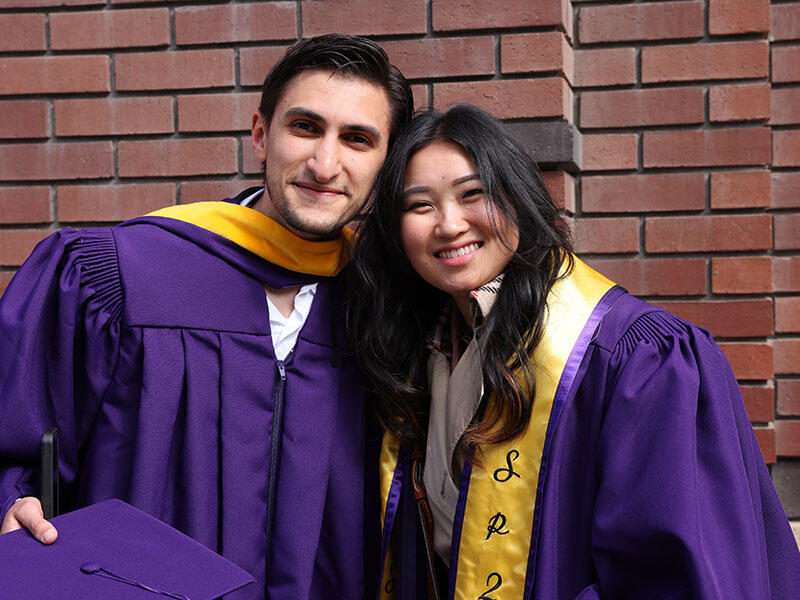
A blended program in Design would offer current undergraduates the opportunity to extend their education to master the necessary skills in the field, which includes studying the theory and methods underpinning contemporary design and design thinking and applying these in the culminating experience project. These skills offers additional career prospects, intellectual growth and the opportunity to deepen skills and research competencies; and significant practical and financial benefits.