PACE Alumni Spotlight
PACE has a large network of successful alumni. Learn more about some of these accomplished individuals to see how their time at SFSU helped them develop their careers.
Featured Alumni
Steve Adami
Executive Director of The Way Out
Master of Public Administration in Public Policy/Criminology, 2014
Transformation and Achievements
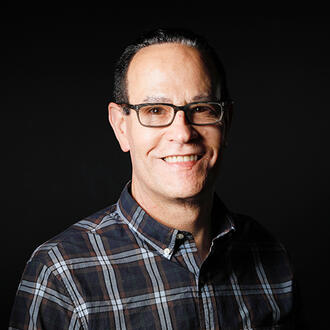
After spending over two decades in and out of jails and prison, Steve's life changed dramatically. His recovery and transformation started in a pair of handcuffs. In 2014, he earned his MPA from San Francisco State University, where he was inducted into Pi Alpha Alpha, the National Honor Society for Public Affairs and Administration, and received the Barbra Jordan Award for Academic Excellence.
In 2014, Steve was hired by the San Francisco Adult Probation Department as a Reentry Services Coordinator. He was promoted to a managerial position in 2017 and was appointed Director of the Reentry Division in 2020. In this role, he designed and managed a portfolio of $22 million of reentry and recovery services, designed over 50 programs that are still operational, and managed San Francisco's Reentry Council and Community Corrections Partnership.
In May 2023, Steve was appointed the Executive Director of The Way Out, a recovery-focused homelessness initiative of The Salvation Army and has recently received a well-deserved pardon from Governor Newsom. Steve's professional goals are to create opportunities for those who have been marginalized by the juvenile or criminal justice system by designing robust prisoner reentry programs, community-based alternatives to incarceration, and residential treatment centers for those for whom the consequences of addiction, alcoholism, and incarceration have impeded their ability to succeed.
Program Impact and Career Advancement
The MPA program was a pivotal point in Steve's life, serving as the starting point for his trajectory towards success. Steve credits the MPA program’s curriculum for equipping him with the technical skills he needed to achieve success and points to courses in research methods, program design, program evaluation, policy analysis, and budgeting. He now applies everything he learned in the program on a daily basis in his career.
Calling the experience transformative, Steve credits the MPA program for uniquely preparing him to tackle the challenges and trends in his field, as he was able to design over 50 programs that are still operational today.
Networking and Advice for Prospective Students
During his time in the program, Steve built strong relationships with his professors and classmates. These connections broadened his perspective and helped advance his career. The MPA alumni network has been invaluable in his career, as he has been able to collaborate with his former colleagues and leverage their expertise. As an alumnus himself, Steve regularly provides opportunities and advice for SF State students. For example, while at the San Francisco Adult Probation Department, Steve hosted Willie Brown Fellows to help create a career path to public service for them.
Steve's advice to prospective students considering the MPA program is simple: if you are either trying to find a career path or advance your current one, the MPA program will provide you with the skills and support necessary to be successful. He firmly believes that his success in his professional career started in the MPA program, and he encourages others to take advantage of the program's resources and opportunities.
"After spending over two decades in and out of jails and prison, my life changed. My recovery and transformation started in a pair of handcuffs. The MPA Program was the start of my new life."
Matthew Channing
Agricultural Preservation Specialist, Kent County
Master of Public Administration, 2015
Transformation and Achievements

Matthew Channing, a graduate of the Master of Public Administration (MPA) program in 2015, has navigated a successful career in the public sector, leveraging the skills and knowledge he acquired during his studies. Currently serving as an Agricultural Preservation Specialist since January 20, 2020, Matthew has held various roles, including Program Evaluation Analyst, Master’s Fellow, and Assistant Management Analyst, showcasing the versatility and impact of his MPA degree.
Matthew's journey into the MPA program was driven by a desire to shift careers and expand his impact within the public sector. He recognized the need for systemic change to address pressing societal issues and saw the MPA as a pathway to positions of influence. His experience in the program was both academically enriching and professionally enlightening, deepening his appreciation for research, data analysis, and effective communication through business writing for public officials.
The MPA program significantly contributed to Matthew's personal and professional development. It enabled him to transition into analyst roles within government due to many of his experiences in the program. For example, his participation in a Masters Fellowship through the International City/County Management Association (ICMA) as a student member. The program also provided him with exposure to City Management, which he pursued as his career's north star. Courses on leadership were particularly impactful, allowing Matthew to reflect on his career trajectory and develop a leadership style that resonates with his values.
Program Impact and Advice for Prospective Students
Matthew credits the program with teaching him valuable skills such as conducting literature reviews and addressing wicked problems through holistic approaches. These skills have been instrumental in his recent transition to a doctoral program, highlighting the program's relevance to current trends and challenges in his field. Networking opportunities and connections made during the program have also played a crucial role in John's career. An internship facilitated by Dr. Shea with the City and County of San Francisco laid the foundation for his aspirations in local government. Additionally, his involvement with the Municipal Managers Association of Northern California (MMANC) led to him being honored as Student of the Year.
Matthew advises prospective students to carefully consider the timing of their enrollment in the MPA program, emphasizing the importance of bringing meaningful experiences to critically examine the material. He believes that taking the program seriously can lead to significant professional growth and opportunities.
Reflecting on his experience, Matthew appreciates the qualified, empathetic faculty and the learning environment that encouraged engagement with the material and collaboration with peers. The MPA program has had a lasting impact on his career, equipping him with the tools to make a difference in the public sector and beyond.
"Some of the courses, particularly the course on leadership, allowed me to reflect on my own career history, critically examine the people under whom I've worked, and to create a vocabulary that reflects my style of leadership."
Grace Cortez (she/her)
Senior Administrative Analyst, San Francisco Unified School District
Master's of Public Administration '23 & Willie L. Brown, Jr. Fellowship Undergraduate and Graduate Program
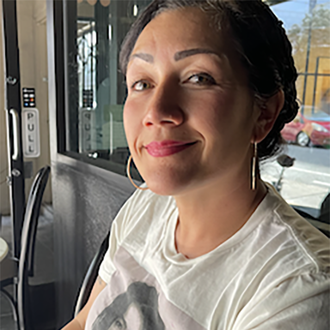
Grace Cortez, a dedicated public servant with a passion for advocating for women and children, embodies the transformative power of the Willie Brown Fellowship program. Cortez graduated with her Master of Public Administration (MPA) in the spring of '23 and currently serves as a senior analyst with the San Francisco Unified School District (SFUSD).
Professional Development
Reflecting on her journey, Cortez describes her experience in both the undergraduate and graduate arms of the Willie Brown Fellowship as pivotal moments in her career trajectory, especially amid the challenges posed by the pandemic. During her undergraduate fellowship at the SF Department of Public Health (DPH), Cortez, then a political science major, gained valuable insights about the bureaucratic landscape and learned about avenues for making impactful change.
Interning at DPH during an election year gave Cortez the opportunity to contribute to redrawing supervisor districts, exposed her to the realities of community service and brought awareness to areas of need within the city. Transitioning to her graduate fellowship in the Mayor’s Office of Innovation, Cortez collaborated closely with the Department of Homelessness and Housing, witnessing firsthand the dedication of individuals striving to uplift underserved communities. In her current role as a senior analyst, Cortez draws on the skills and knowledge acquired through the Willie Brown Fellowship to navigate complex projects and foster meaningful collaborations
Advice for Prospective Students
When asked about advice for prospective students considering the Willie Brown Fellowship, Cortez wholeheartedly encourages them to seize the opportunity. She likens the fellowship to a "tasting menu" of career possibilities, offering low-stakes yet impactful experiences that can shape one's trajectory. She states, “If you're thinking about it and if you feel like you're not qualified or that it might not be for you, chances are you are exactly what the fellowship needs because it's exactly the voice that the city needs to hear.” Cortez reflects on the impact of the fellowship on her career, expressing gratitude for the invaluable lessons learned and the perspectives gained. She stresses the significance of maintaining a focus on community impact and fostering inclusive spaces within government and nonprofit sectors.
In conclusion, Grace Cortez stands as a testament to the transformative potential of the Willie Brown Fellowship, embodying the program's ethos of community empowerment and public service. Her journey serves as an inspiration to aspiring public servants, highlighting the profound impact of immersive learning experiences and the importance of advocating for oneself in pursuit of professional development.
“That was one of the things that was really helpful too, is that you're not alone. You have your cohort. And so, if ever a moment where we need to be held, it's when we're learning and things are scary and new.”
Traci Lester
Non-profit Consultant and Philanthropic Advisor,
Master of Public Administration, 1995
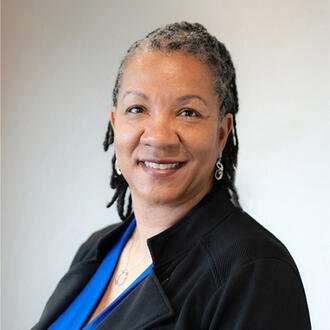
Adjunct Faculty, Austin W. Marxe School of Public and International Affairs
Advisory Board Member, SF State’s School of Public Affairs & Civic Engagement
Co-Chair, New York City Arts in Education Roundtable
Transformation and Program Impact
Traci Lester is proud to be an alumna of the PACE MPA program. As she reflects on her time she remembers that it was a tremendous journey. She recalls working full-time, and for a time, commuting from the South Bay. The program's curriculum was directly applicable to her work in the nonprofit sector, and the faculty, including her mentor Dr. Genie Stowers, were instrumental in deepening her understanding of the field.
She was initially drawn to the program while working as a program assistant at The David & Lucile Packard Foundation, seeking to gain a deeper understanding of public and nonprofit sector issues in the Bay Area. The program offered the perfect combination of coursework, faculty expertise, and convenience. “The PACE MPA program was foundational for my career”, she said. “It bolstered my skills in the nonprofit sector and positioned me to take on management roles.“
Since then, she has moved to the East Coast and has gone on to become a seasoned executive director, board member and consultant to the field. Even now, she is pursuing a Doctorate in Education at New York University, while also giving back to emerging public and nonprofit sector leaders by teaching at the Austin W. Marxe School of Public and International Affairs at Baruch College, The City University of New York.
The PACE MPA program set the stage for her career path, giving her the confidence to apply the knowledge she gained and to make a tangible impact in her field. The program uniquely prepared Traci for the current trends and challenges in her field, providing a strong foundation for her first master's degree and graduate coursework. The resources and opportunities provided by the program, such as field studies and access to the main campus resources, were rich and invaluable. They helped her advance professionally and achieve various honors and awards.
Networking and Advice for Prospective Students
Networking has been a vital part of Traci’s post-graduation experience. She has maintained connections with her advisor, Dr. Genie Stowers, joined the PACE MPA advisory board, and stayed updated with the program's developments. She also participates in alumni activities in New York and is a member of Pi Alpha Alpha Honor Society. As she works towards her Doctorate degree, Traci has gained an even deeper appreciation for the value of a Masters education and is excited to invest in cultivating the next generation of public sector leaders.
For prospective students considering the program, her advice is clear: an MPA from SF State can lead to numerous opportunities in the nonprofit sector. It provides the confidence to pursue new roles and lays a strong foundation for impactful work. Nonprofits are changing every day, and it's crucial to be well-equipped for these changes. The program excels in preparing students for their next phase in the field. Traci has had the pleasure of discussing the program on the East Coast, where it has garnered national recognition. "The skills you gain are transferable, no matter where you work." When Traci meets with her friends on the West Coast, they often reflect on the broad impact of the program. It's a testament to the program's reach and the enduring connections it fosters.
“Getting a Master's Degree from the SFSU Master of Public Administration Program helped open doors in the nonprofit sector, strengthened my confidence to pursue new roles, and provided a solid foundation for my work in the nonprofit sector. It’s an important degree to have.”
Jessica McCracken
Director of Creative Spark, Front Porch Comunity & Services
Master of Public Administration, 2006

Barbara Johnson Award for Student Excellence, 2006
1st place in Empirical Research, American Society of Public Administration’s Tournament, 2006
Phi Alpha Alpa, President, SFSU, MPA 2006-2007
Jessica McCracken, MPA, brings people together through the creative process. Her career began at the Center for Elders and Youth in the Arts, Institute on Aging in 2007. She holds a Master’s Degree in Public Administration with an emphasis in Nonprofit Arts Management from San Francisco State University. With enthusiasm for supporting professionals in the field, Jessica co-founded Creative Aging San Francisco (now Spark: A Creative Aging Gathering), a collective of individuals utilizing the arts to support healthy aging. As an artist deeply rooted in community, Jessica alongside her sister Bridget (SFSU MPA '04), founded Trash Mash-Up, an eco-arts program.
SF State's MPA Program in Jessica's own words
My experience in the MPA program at San Francisco State University was profoundly impactful, providing me with a comprehensive understanding of Public Administration's pivotal role in government decision-making and project administration. Graduating with an emphasis in Nonprofit Arts Management, I emerged equipped to navigate the complexities of public sector challenges and community engagement. Since graduating in 2006, I have directed my career towards fostering creativity and social impact, blending my expertise in public administration with a passion for the arts.
Describe the impact of the program in your professional life
The MPA program honed my abilities to not only comprehend governmental decision-making processes but also to effectively administer projects aimed at addressing societal challenges. Through rigorous coursework, I gained insights into budgeting, policy development, and strategic planning — essential skills for any public administrator. What I found most beneficial co-learning environment between my classmates and professors. I benefited greatly from the diversity of perspectives which complimented the dynamic course content. I appreciated having input in the way in which my studies focused. I found the structure of the MPA program to be student-centered. This holistic approach to public administration education has been instrumental in my career trajectory, enabling me to lead initiatives that merge creativity with community development.
What advice do you have for students?
For prospective students considering the MPA program, I urge you to embrace the opportunity to delve into the intricacies of public administration and nonprofit management. Engage actively with faculty, peers, and practitioners to expand your network and gain practical insights. Remember, a public administration degree isn't just about acquiring knowledge — it's about leveraging that knowledge to effect positive change in the world.
“SF State’s Public Administration degree isn't just about acquiring knowledge — it's about leveraging that knowledge to effect positive change in the world.”
Curtis Penn
Division Director, Felton Institute
Master's of Public Administration '19 & Willie L. Brown, Jr. Fellowship Program
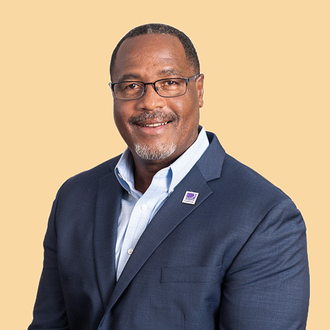
Curtis's professional trajectory from a Willie Brown Fellow to a Division Director at the Felton Institute exemplifies the transformative power of education and mentorship. Through his participation in the Willie Brown Fellowship and the Master of Public Administration (MPA) program, Curtis has not only honed his skills but also built invaluable connections that have shaped his career. His educational journey was enriched by his involvement in the Willie Brown Fellowship, a program aimed at supporting individuals, especially those with obstacles like lived experiences with incarceration, to excel in public service.
Professional Development
During his time as a fellow, Curtis interned at San Francisco Adult Probation, where he gained insights into the inner workings of government and the complexities of public safety. This experience laid the foundation for his subsequent roles, including as a Program Director at Project Rebound, facilitating the transition of formerly incarcerated individuals into higher education. The synergy between Curtis's academic pursuits and professional experiences has been instrumental in his career growth. His involvement in the MPA program at San Francisco State University provided him with the necessary skills and confidence to excel in leadership roles. Curtis credits the program for equipping him with the tools needed to navigate complex challenges in his field, such as collaborating with community stakeholders and addressing issues like homelessness and substance use disorders.
Impact of Networking and Mentorship
One of the most significant benefits Curtis gained from the Willie Brown Fellowship was the opportunity to network with professionals in his field, noting, "the very people that I met through the Willie Brown Fellowship have been instrumental in my career trajectory." Through mentorship and guidance, he not only secured employment opportunities but also forged lasting relationships that continue to support his professional journey.
Advice for Prospective Students
Reflecting on his experience, Curtis offers valuable advice for prospective students: “Don't set limitations for yourself”. He emphasizes the importance of remaining open to opportunities and building strong professional networks. Curtis encourages aspiring public servants to uphold professionalism at all times and pursue continuous education to expand their horizons.
Erin Tordsen
Director of Home Care, Sage Eldercare Solutions
Master of Arts in Gerontology, 2014
Transformation and Program Impact
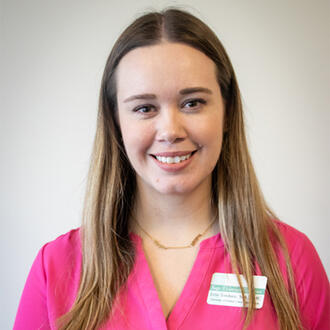
Erin Tordsen's journey into the field of gerontology began during her undergraduate studies at Cal Poly SLO, where she was pursuing a degree in Psychology with the intention of becoming a Marriage and Family Therapist. However, a pivotal internship at an adult day center and her fascination with the Psychology of Aging course sparked a newfound passion for working with older adults. Recognizing the need to expand her knowledge in this area, Erin decided to pivot her career path and pursue a Master's of Arts degree in Gerontology. Her search led her to the Gerontology Program at San Francisco State University (SF State), which she attended from Fall 2012 to Spring 2014.
Erin's time in the program was a transformative experience that enriched her understanding of the diverse issues faced by aging populations. She credits the program's rich discussions and hands-on learning opportunities with providing her skills, knowledge, and connections that have uniquely prepared her for the current trends and challenges in her field. During her studies, Erin had the opportunity to join and lead the Student Chapter of the Gerontological Society of America and the American College of Health Care Administrators. Additionally, the program connected her to a valuable internship with the San Francisco Long-Term Care Ombudsman Program, where she gained invaluable hands-on experience visiting and interacting with residents of Residential Care Facilities for the Elderly (RCFEs) throughout San Francisco County.
A Rewarding Career Path
Erin's Master of Arts degree has significantly influenced her career path, connecting her to internships, certifications, conferences, and networking opportunities that have shaped her professional journey. In addition, she was exposed to different conferences at a student rate, such as the California Assisted Living Association (CALA). Erin’s experiences led her to fall in love with providing home care services, and she advanced to her current position as Director of Home Care at Sage Eldercare Solutions. She finds fulfillment in thinking strategically about how her team can deliver the best possible outcomes for their clients and employees.
Lasting Connections and Invaluable Advice
Erin has maintained strong connections with classmates and faculty from the Gerontology Program, forming an enduring network that has proven beneficial in her career. She has worked with at least seven alumni of the program at Sage Eldercare Solutions alone. Erin wholeheartedly recommends the Gerontology Program, emphasizing that the work of supporting aging populations is fulfilling and needed. She believes that having a Master's degree has been powerful in terms of the strength of her resume and encourages others to pursue the degree. Erin's journey serves as an inspiring example of how passion, education, and dedication can pave the way for a rewarding career in the field of gerontology, making a meaningful impact on the lives of older adults and their families.
"I found the classes to have rich discussions that helped to better inform my understanding of the different issues that our aging population experiences and empowered me with the knowledge and creativity to make a difference in addressing these issues professionally."
Sbeydeh Viveros-Walton
Director of Higher Education, Public Advocates | Council Member, City of San Leandro District 1
‘13 Master of Public Administration (MPA), San Francisco State University
Professional Development
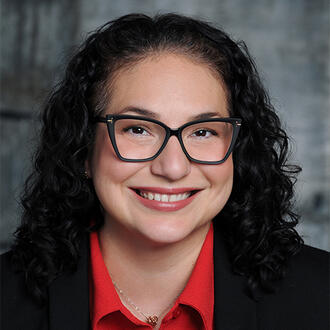
Sbeydeh (Speve) Viveros-Walton is the Director of Higher Education at Public Advocates, a public interest law firm based in San Francisco, and a District 1 Council Member for the City of San Leandro. A 2013 graduate of San Francisco State University’s Master of Public Administration program, Sbeydeh entered the program while working full-time in the Berkeley Mayor’s Office, where she advanced from intern to Deputy Chief of Staff overseeing Education, Health, and Community Services.
The MPA program, she notes, equipped her with vital technical skills — interpreting budgets, writing resolutions, and evaluating policy — that immediately enhanced her work in local government. Beyond academic rigor, she appreciated that SF State’s faculty brought both professional and lived experience into the classroom, blending theory with practice in ways that directly applied to her job.
Importance of Networking
The relationships formed through the program have had lasting impact. Many of Sbeydeh’s classmates remain in public service or nonprofit leadership, and their shared experience completing team projects created strong professional bonds. She continues to stay connected with her peers — now colleagues — across sectors such as affordable housing, philanthropy, and public health.
Sbeydeh emphasizes that this network is not just social — it’s a community of practitioners dedicated to public service. The shared experience of balancing demanding jobs with graduate coursework strengthened their sense of solidarity and collective commitment to making government work better for people.
Impact on Career and Future Plans
Sbeydeh credits her MPA education with shaping her approach as both a policymaker and implementer. “Policy means nothing unless it’s funded and implemented,” she says. Her graduate training helps her bridge the gap between policy design and execution, a perspective that grounds her current work on the San Leandro City Council.
The program also left a personal mark: when life’s pressures mounted — balancing a demanding job, school, and leadership responsibilities — faculty noticed and extended empathy and flexibility without compromising rigor. That experience, she says, shaped her own leadership philosophy of combining accountability with compassion.
Advice for Prospective Students
Sbeydeh encourages prospective students to choose an accredited program that understands the needs of working professionals. “SF State really led the way,” she explains, “in designing graduate programs for people who are already in the workforce and still committed to advancing public service.”
She also underscores the importance of faculty who blend theory with practice: “Our professors had one foot in academia and one in the field. They helped us see how policy comes to life through people.”
Ultimately, Sbeydeh views SF State’s MPA program as foundational to a lifelong commitment to learning and service. “Public institutions of higher education like SF State are essential. They shape the next generation of public servants who believe in equity, accountability, and community.”
“The MPA program gave me the technical tools I needed to understand how government works — and the human support to keep going when life got hard. The faculty didn’t just teach; they met us where we were as working professionals.”